
Don’t Forget Regular Professional and DIY HVAC Maintenance
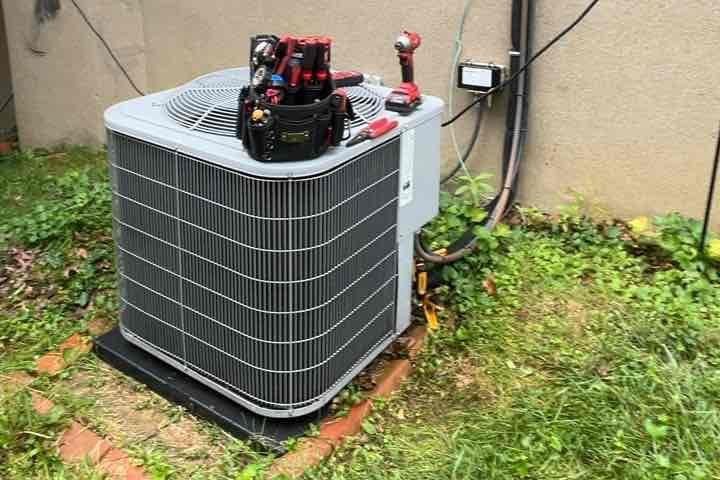
Often, the difference between a smoothly operating, high-performing heating or cooling system and one that’s on the fritz is the thoroughness and frequency of maintenance that system receives. It really does make a meaningful difference when a central air conditioner, heat pump or furnace gets at least annual professional maintenance coupled with more frequent homeowner maintenance.
But it’s not always obvious which HVAC maintenance tasks the homeowner should handle, and which should be left to a trained and certified HVAC technician. Some homeowners are handier than others when it comes to mechanical systems, and can take on some tasks that are typically handled by a professional HVAC maintenance company. But there are some tasks that are largely the homeowner’s responsibility, and some that are more commonly tasks that are handled by heating and cooling professionals.
Professional HVAC Maintenance Tasks
Typically, you can expect your HVAC technician to run through a standard checklist of maintenance tasks on your central heating or cooling system every time they come for a maintenance appointment. Depending on what type of system you have in your home – heating or cooling, heat pump or combustion – the checklist will vary, though standard checks will be done for any system.
For furnaces, the HVAC technician can be expected to check, adjust and maintain the blower motor, the ignition system and the burners, as well as confirming that everything looks ok with the gas supply line and exhaust system. Regular furnace maintenance may involve cleaning, lubricating and/or adjusting parts of the system, depending on the specific components involved. Safety will always be a priority for any professional heating system technician, though they’re also looking at making sure energy efficiency and performance are up to snuff.
For air conditioning and heat pump systems (which use similar heat-exchange technology), your AC technician can be expected to check the blower or air handler motor, the refrigerant lines and levels, the heat exchange coils in both the indoor and outdoor units, the pan and drain for expelling condensation from the system, the outdoor compressor and capacitor, and the outside fan motor.
Depending on the type of system you have in your home, the main indoor fan that pulls air through the machinery and then circulates it throughout the house may either be a dedicated air handler or, as is the case in many AC systems, the furnace blower. Whatever type of air handler you have in your home, your HVAC company will check it during your routine maintenance visits as well.
With any type of heating and cooling system, the HVAC technician should check the thermostat and stop-and-start functions for proper operation. When maintaining forced air systems, whether AC, furnace or heat pump, the technician should inspect the ductwork to make sure it’s properly connected to the furnace and at other visible spots.
Different companies and service plans offer varied levels of routine maintenance, so when scheduling an appointment with an HVAC business that you haven’t worked with before, make sure you ask what’s specifically included in that company’s preventative maintenance schedule.
Heating and Cooling Maintenance Tasks You Can Do Yourself
The most important (and easiest) DIY HVAC maintenance task is inspecting and changing the air filter for the furnace, AC or heat pump. Try to get in the habit of checking the air filter every month, unless there are specific factors in your home that necessitate more frequent checks (heavy system use, home improvement projects that create dust, excessive pollen, family members who are extremely sensitive to allergens, etc.). If the filter looks clogged with dust or debris, replace it. One trick to determining if your HVAC filter needs to be changed is to hold it up to a light. If the light is mainly blocked by the material caked on the filter, it’s time for a change. Some homeowners write down the replacement date on the cardboard edge of the filter, so they’ll always know how much time has elapsed since it was installed.
Another manageable HVAC maintenance task for most homeowners is cleaning the exterior of your outdoor AC unit. Using a garden hose with a spray attachment, spray down the outside condenser/compressor unit of your AC or heat pump every month or two. This will help remove grime and dirt that accumulates on the unit as time passes, which will reduce the amount that gets inside the unit, as well.
Most homeowners can also take some time to make sure there’s no vegetation, leaves or clutter blocking the air intake of the outside HVAC unit, which needs a smooth flow of air both into and out of the condenser/compressor to operate at maximum efficiency.
Inside the house, you can make sure nothing is blocking vents and registers. This might include furniture, carpets, drapes, boxes or toys that have shifted onto or over the vents, blocking the air flow.
Jansen: Your Cincinnati-Area HVAC Maintenance Partner
Most homeowners have good intentions when it comes to HVAC maintenance. However, other aspects of their busy lives interfere, and they forget to schedule maintenance or to take care of the DIY heating and cooling maintenance tasks around the house. Here at Jansen Heating & Cooling, we offer a Maintenance Club under which we’ll remind you when it’s time to schedule a maintenance tune-up. This helps to remove even more of the stress and headache involved with maintaining your home’s HVAC system, and grants you access to generous discounts and priority appointments for urgent service needs. Call us to learn more about how we can take on the worry and work for your home’s heating and cooling system, while you get back to the better things in life.