
A Ductless Mini Split System May Be the Right Choice for Your Home
Last Updated: July 15, 2026
Published: September 10, 2020
Even though ductless mini split systems have become more popular across the country over the past decade, many homeowners remain unclear on how they work. We have the answers you need to make an informed choice about high-efficiency ductless heat pumps and cooling systems for your home.
Ductless Mini Split System FAQs
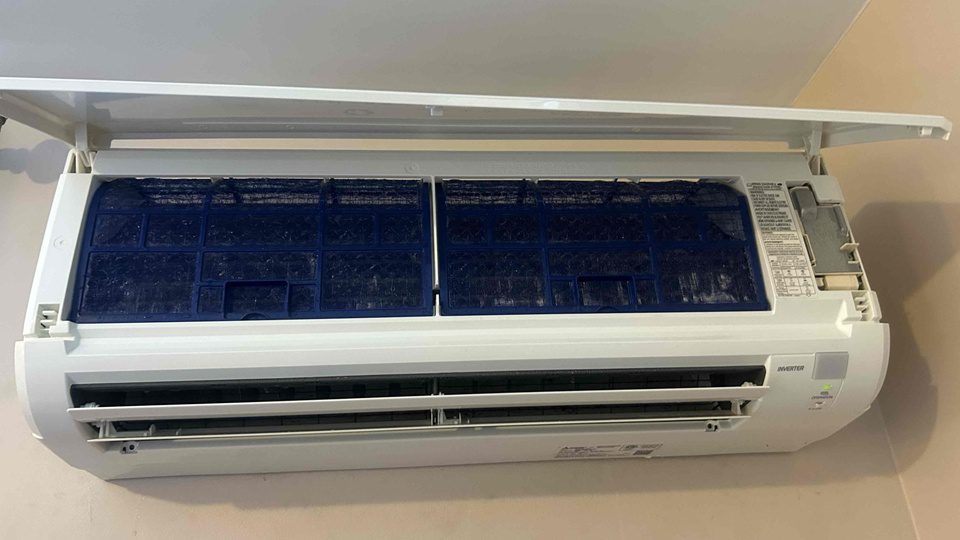
- What is a ductless split system? Also called a ductless mini-split, a ductless split system is most often a split-system air-source heat pump with one main difference from regular air-source systems – they work without ductwork (hence the name). A conduit containing lines for refrigerant, electricity and condensate connects a single outdoor compressor unit with one or more indoor air-handling units. Each air handling unit contains a coil and a fan, providing independently controlled heating or cooling to the room or small area where it’s installed. (Some ductless systems provide only cooling.) This allows you to adjust the heating and cooling needs of each room or area in your home, without having to install or maintain ductwork in your home. If there’s a problem or maintenance need related to your ductless AC unit in the future, it will be able to be serviced right in the room where it sits – no worries about ducts running behind the walls or ceilings of your home.
- How does the ductless system work? These units work much like traditional air-source heat pumps, using a chemical compound (called refrigerant or coolant) to transfer heat energy between indoor and outdoor AC units. In heating mode, the ductless mini split system removes heat energy from the outside air, and brings it inside, where it’s released from the coil in the air-handling unit. This warms the air, which the unit’s fan distributes throughout the room. In the summer, the ductless system works as an AC, extracting heat from the room or area where the air handler is installed and releasing it from the coil in the outside compressor unit. With no ductwork needed, these systems experience much greater efficiency and less energy loss than traditional forced-air heating and cooling systems.
- Do ductless mini split systems operate at only one level? Most modern ductless systems employ variable- or multi-speed compressors, using inverter technology to adjust their output to the room’s heating or cooling needs at any given time. This improves comfort while saving energy, and avoids the noisy on-and-off cycling common in many heat pump, AC and furnace systems. As an added bonus, each indoor unit is individually adjustable, so there’s no more cooling the living room to an uncomfortable level to ensure the bedrooms are somewhat cool – each room can be adjusted as needed, individually.
- How do you operate a ductless split system? Ductless mini-splits typically come with independent temperature control in each area where an air handling unit is installed. Most ductless systems can use one compressor unit to serve several air handling units, each equipped with a remote control. The remote controls often have programming capability.
- What situations are best suited for a ductless split system? If you are adding a new room or section onto your house, or renovating a porch or garage into a bedroom or family room, a ductless system can be a practical and efficient alternative for heating and cooling that space. Installing one of these systems means you won’t have to pay to extend the ductwork in your home, which in any event likely risks over-extending the home’s existing central heating and cooling system. In homes without existing ductwork, a ductless mini split system can be a safe and efficient replacement for baseboard heating or combustion space heating, while adding air conditioning capability. Some homeowners use ductless mini-splits for parts of the home that are particularly hard to heat or cool. They’re also often used in situations where homeowners’ associations don’t allow window air conditioners.
- Are ductless mini split systems more efficient than other systems? Like other well-maintained heat pump systems, ductless systems are able to convert one unit of electricity into three of four units of heat output. This compares favorably to a combustion furnace, which no matter how advanced the technology, can’t convert more than 99 percent of its fuel into heat. For cooling, ductless split systems employ cutting edge technology to provide high-efficiency air conditioning. The particular efficiency of these systems results from three main factors: 1) independent temperature control, so heating or cooling can be easily shut off to unused rooms or areas; 2) inverter technology that gradually adjusts output to match needs; and 3) elimination of ducts with their air leakage and heat loss.
Ductless Mini Split Systems in Cincinnati
If you’re here in the Cincinnati area, call us here at Jansen Heating & Cooling to learn more about how a ductless split system can improve your family’s comfort while reducing pressure on your monthly energy bills. We’re here to answer your questions and help you to make the right choice for your home and your family.