
Your Contractor Should Follow a Careful Process When Installing a Furnace
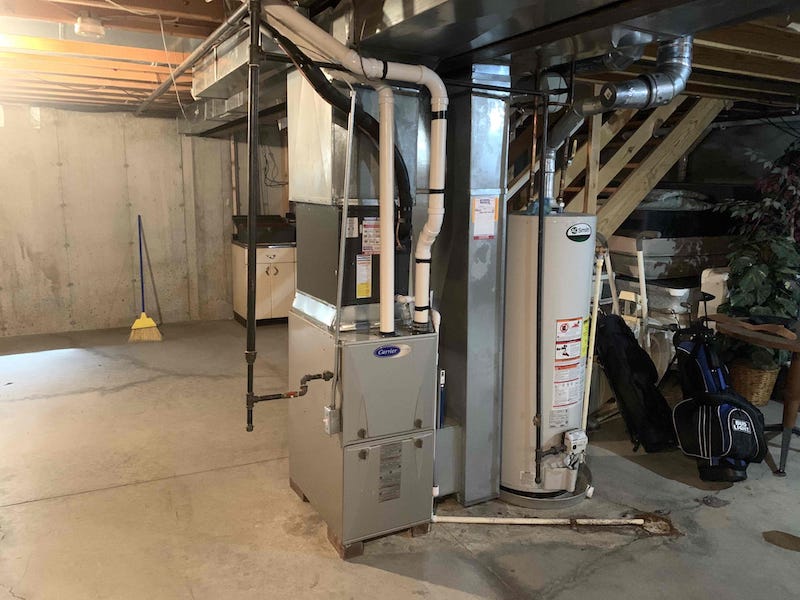
Next time you need to have a furnace installed in your home, don’t sweat it. Just have your favored HVAC outfit bring it into the house, hook it up, and set the thermostat. Voila! Instant heat!
Well, no. That’s actually precisely NOT the way to have a residential furnace installed. Combustion furnaces use basic technology, sure, but if they’re to work efficiently, productively and safely, careful professional installation – with a set of predetermined steps – is essential.
But why should a homeowner know this process? That’s easy. If you know the basics of furnace installation and operation, you’ll be better equipped to 1) make sure your own installation is done correctly; 2) ensure your new furnace gets correct maintenance, both by you and your professional HVAC technician; and 3) troubleshoot your furnace when problems arise, and maybe even fix the problem yourself.
What Size Should Your New Furnace Be?
One of the first steps in a combustion furnace installation is determining what size it should be for your home. A poor installation technician will base the recommended capacity of a new furnace solely on the square footage of the house. Actually, this is a great way to heighten the prospects of getting the wrong furnace in your home, with all of the accompanying problems in operation, efficiency and even safety.
Instead, quality professional maintenance absolutely needs a careful calculation of the heating load in your home, in other words, the amount of heat that’s needed to make it feel comfortable. This calculation is based on much more than just the size of your home; among other things, it also takes into account the house’s energy efficiency, which includes the amount, type and location of insulation, the airtightness of the house, the type and amount of windows, and more.
Other Preliminaries to Furnace Installation
Proper heater installation also requires an inspection of the home’s ducts and registers, to make sure they’re the correct size and design for your new furnace. Poorly designed ductwork can result in inconsistent airflow, with some rooms getting more or less conditioned air than others.
The installation technician from your chosen Cincinnati HVAC contractor will also want to make sure that the place where the new furnace will be located is large enough and is properly ventilated. They’ll also check electrical wiring and the lines for the natural gas (or fuel oil or propane) that fuels your new heater. Hopefully, no big adjustments or upgrades will be required, since that could substantially boost the cost of your furnace installation.
Finally, in preparing for the actual installation, the technician will want to look at the air conditioning unit that’s using the blower in your last furnace, to ensure it will work with your new furnace. The blower may need to be re-calibrated to work with both appliances.
The bottom line is that the sort of problems that homeowners face with their combustion furnace often have more to do with shoddy installation than they do with the quality of the equipment or wear and tear over time.
Installation Begins
That day has come. You’re getting a new furnace and saying goodbye to that pile of metal that’s been banging and rattling and squeaking for so many years in your basement or utility room.
Before the new equipment is brought into your house, the installation technician should explain what you’re getting – the brand and type of furnace, its efficiency level, any advanced features, and any necessary operational recommendations. Floor mats will be laid down to protect floors and carpets, and the area where the furnace will be placed will be prepared to make installation as easy as possible.
A crucial step prior to installation of your new furnace is a series of safety checks. These include turning off both the electricity and gas that will serve your new heating system, making sure any aggressive pets are out of the area, and checking to ensure there are no other hazards to the installers who will be working in your home for several hours.
Out With the Old
Yes, we know it can be sad to lose an old friend, but if you think of your dilapidated old furnace as an old pal, then you’ve got more problems than poor heating.
In any event, the installation technician(s) will unhook any wiring, gas lines or ducts from the old furnace before removing it from its location. If the evaporator for an air conditioning system is located in the furnace, that will have to be removed and cleaned in preparation for being placed in the new furnace.
Once the old furnace has been hauled away, the technician will clean the floor area where it sat. They’ll also clean the connection points of the existing ductwork, which over time likely have accumulated a lot of dirt and dust. A carefully sized rubber pad (or some other type) will be laid down to separate the furnace’s metal bottom from the floor.
Actual Installation Begins
During this part of the process, the technician will make sure that the set-up will allow for the right amount and velocity of airflow. In any forced-air heating or cooling system, smooth, well-calibrated airflow is mandatory. If installation isn’t handled correctly, the airflow can be adversely affected, which means your new furnace won’t deliver optimum heating. Adjustments may be necessary when connecting the furnace to the plenum (air distribution box) and ductwork.
Once the new furnace has been placed into its designated location, the technician will make sure it’s positioned properly and level.
Now is the point where sealing the new furnace equipment and reconnecting all electrical and gas lines takes place. Special caulk will be used to make the equipment airtight.
Testing the Installed Heater
The technician will run through a checklist of tests and calculations on various aspects of the new furnace. Among many other things, these tests should include static pressure, the rate of temperature rise at different stages of operation, and the amount of airflow in cubic feet per minute. The goal is to ensure that the new equipment operates in such a way that satisfies manufacturer and safety codes. If it doesn’t, adjustments will be necessary.
Failure to perform this step not only can result in subpar heating in your home, but also may adversely affect cooling if your central AC uses the furnace blower.
Finally… Cleaning Up
Once the post-installation tests have been run, the technician(s) will clean up the area, remove all equipment and debris, and finally, review the new heating system with you the homeowner. They should walk you through operation of the equipment and any maintenance steps that are your responsibility, such as air filter inspection and replacement, and keeping vents and registers clear of objects that might impede airflow.
This is a good time for the homeowner to sign up for a maintenance club with their HVAC contractor. Membership typically includes preferred appointments, discounts on maintenance and periodic reminders of needed professional maintenance, among other services. Annual preventive maintenance will increase the likelihood that your new furnace operates effectively, efficiently and safely for many years into the future.